Castles, bridges, and city rhythms
Hear old stones speak, and watch a river carry the past forward.
Tartalomjegyzék
Origins of Prague by the Vltava
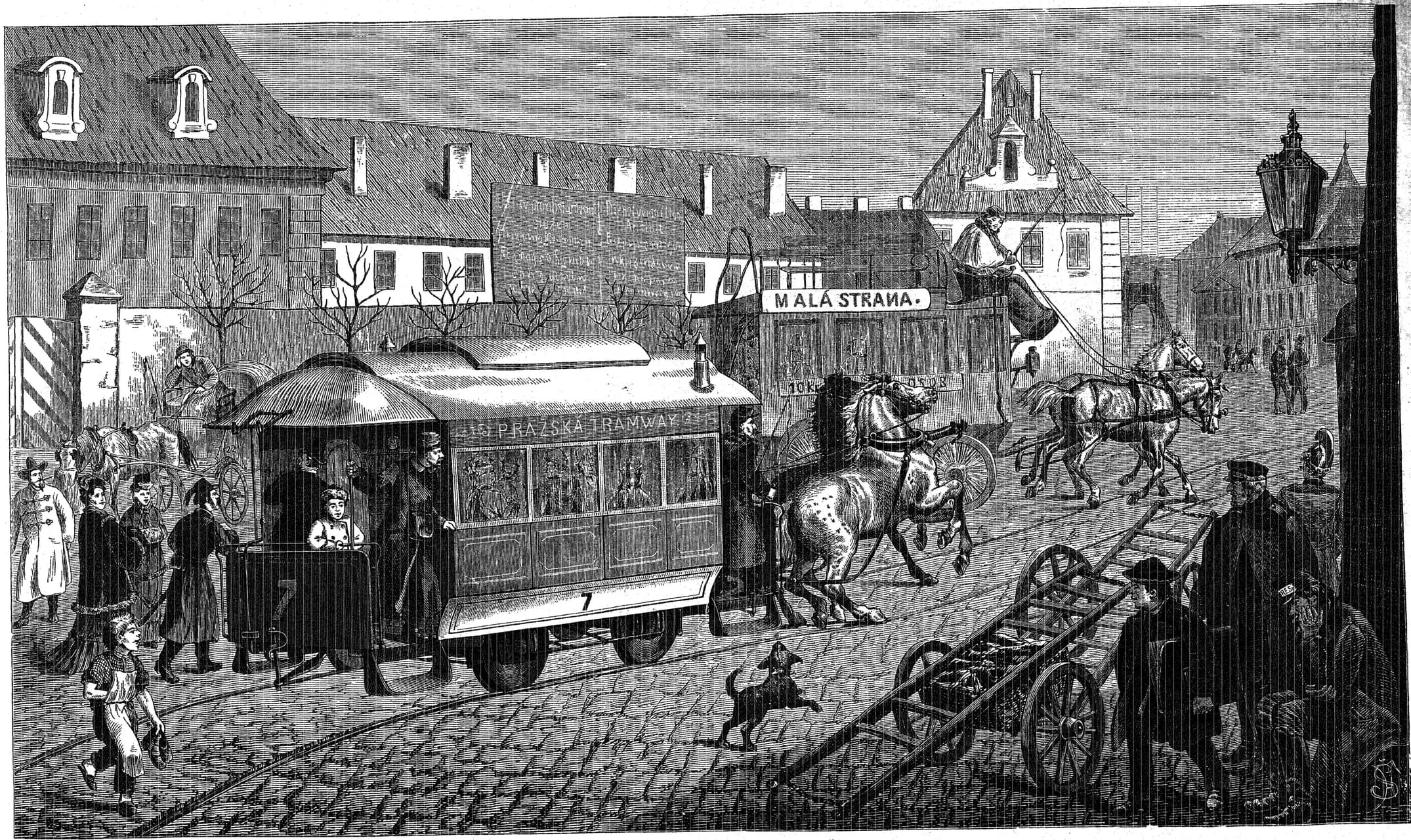
Prague began as a riverside crossing and a hilltop stronghold — a place of wood and stone, market cries and church bells. The Vltava carried timber and grain, gossip and news, while traders set up stalls in squares that would later gain grand façades. In time, palisades grew into fortifications, a settlement turned capital, and the river became a ribbon stitching together neighborhoods with different tongues and trades. Monasteries cataloged knowledge, guilds set standards, and caravan routes braided Prague into wider European circuits where ideas, fabrics, and spices traveled alongside tales of kings and saints.
As rulers consolidated their power, Prague drew craftsmen, scholars, and merchants from across Europe. The city’s early identity blended fortitude and flair: quiet courts tucked behind heavy doors; watchful towers above lanes that curved like thought itself. Even today, beneath bus routes and tram lines, you feel that original purpose — a city designed to gather, protect, and illuminate. Walk a block and the centuries stack gently: a scriptorium’s patience in a library window, a stonemason’s touch along a cornice, and the daily kindness of shopkeepers who carry the civic memory forward.
Royal Prague and the Castle
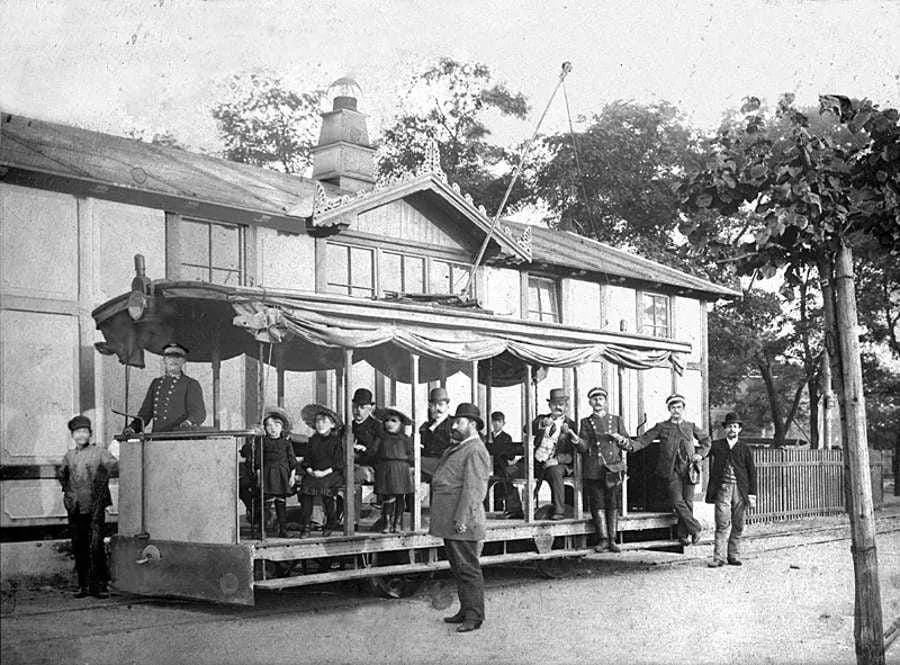
Prague Castle is less a single building than a hilltop world — courtyards, palaces, arcades, and halls. Rulers used the complex as a stage for ceremony and a workspace for governance. St. Vitus Cathedral, with its patient scaffolding of centuries, gathers the city’s faith and ambition into stained light. Here, decisions echoed down to the markets where everyday lives adjusted, like boats slipping their moorings. Golden Lane whispers of alchemists and artisans, treasury rooms shelter crown jewels and state archives, and gardens tuck quiet benches into views that pull the eye toward bridges and bell towers.
Kings and queens come and go in the chronicle of walls, yet the Castle remains a compass point, reminding the city to lift its eyes. From Hradčany terraces the Vltava shimmers and bridge arches stack rhythmically, a sight that makes you unconsciously breathe deeper. A hop-off here is a pause within the broader motion — a moment to feel royalty’s scale, then return to streets that hum with present-tense stories. Follow the cobbles downhill into Malá Strana and you’ll sense how ceremony dissolves into everyday life — courtyards of musicians, wine cellars, and doorways that open onto small domestic theatres of conversation and cooking.
Streets, clocks, and city trades
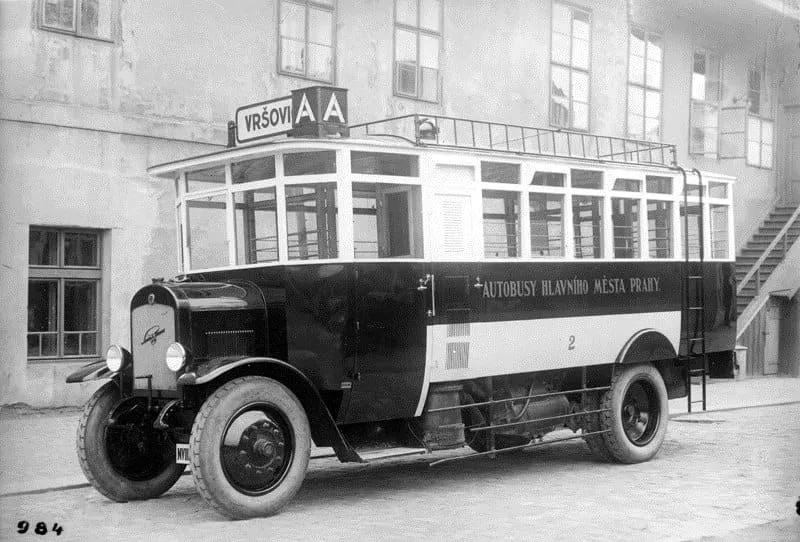
The Astronomical Clock, patient and theatrical, has presided over centuries of everyday commerce. Bakers hauled bread before dawn, printers inked ideas in courtyards, silversmiths hammered filigree behind thick windows. The clock taught people to see time as performance — precise, human, and a little mystical — while guilds shaped standards and pride for the work of hands. Its mechanism is a civic poem: gears and moons, saints and calendar pages, reminding passersby that time is both measure and story, a choreography that sets the city’s daily theatre in motion.
Walks through Old Town become lessons in trades: look up at a façade and imagine what sounds it once contained. Pressed paper, tuned strings, whispered accounts across a ledger. In this city, the vernacular of craft reads legibly on walls and doorways, an undercurrent that makes the hop-on hop-off narration feel less like touristic data and more like an introduction to a living archive. Pause by a sign with gilded letters or a baker’s symbol, and you’ll feel the continuity between medieval workshops and modern storefronts — the same care, different tools, shared pride.
Music, theatre, and cafés
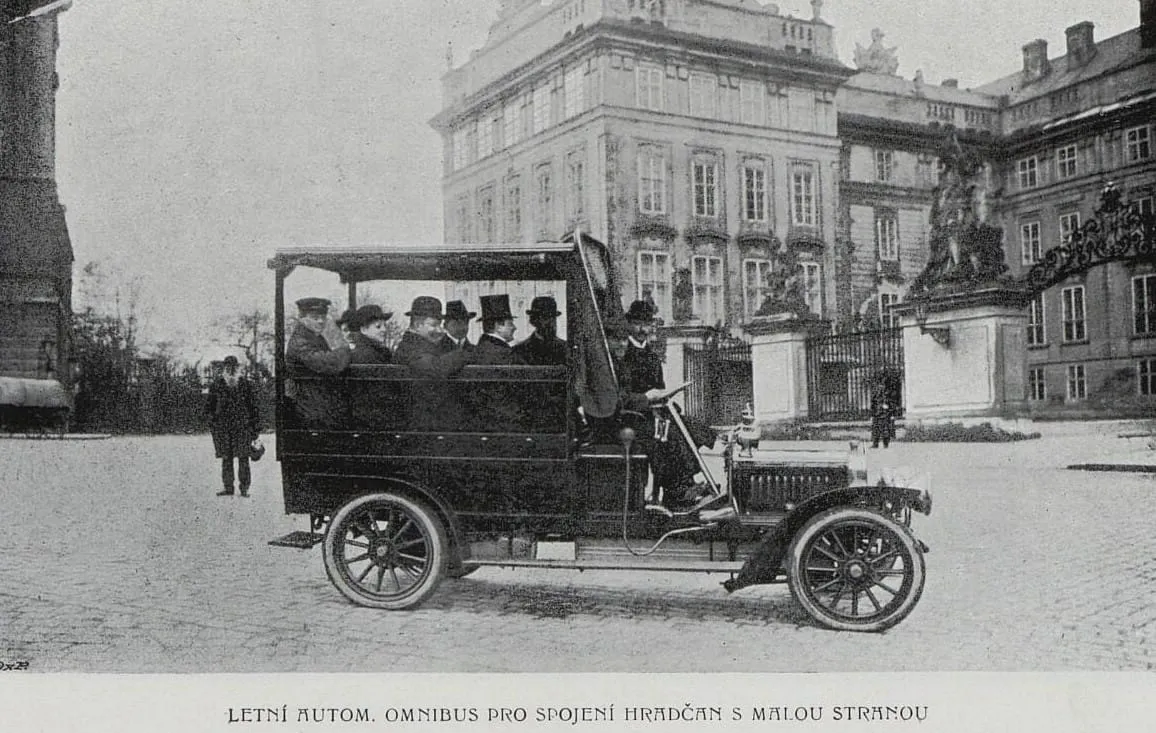
The National Theatre glows at dusk, its gilded crown hinting at stories inside — ballet, opera, plays that tilt memory toward feeling. Grand halls make room for citizens to be audience and participant, to share in the higher registers of voice and movement. Between acts, cafés gather the city’s lower murmur: spoons stir coffee, notebooks open, and conversations drift like the river. Names you may know — Smetana, Dvořák — feel present not as monuments but as companions, composers whose music still threads through rehearsal rooms and quiet parlors.
In Prague, art weaves quietly through public life. Even the bus commentary will nod to composers and poets, to little theatres that nurtured big ideas. A good day mixes seats in a gallery with seats on a bench by the water, all under a rhythm that feels unforced and local. Step into a café like Slavia and you’ll sense how culture and conversation share a table — a sketchbook beside a pastry, a program folded into a pocket, stories crossing generations with ease.
Bridges and riverside life
Bridges in Prague do more than connect shores — they frame the city. Charles Bridge, studded with statues and worn smooth by footsteps, invites people to slow down and read the skyline. Beneath, the Vltava carries rowers and reflections, ferrying you from one state of mind to another. Detour to Kampa Island, watch the Čertovka canal slip by quietly, and let the rhythms of water and stone nudge your pace toward a gentler register.
Riverside life ebbs and flows: markets unpack in the morning, saxophones lean into twilight, and swans own a kind of gentle authority. A hop-off near the water may end up being your longest pause — the kind that resets how you see the rest of the day. The river teaches patience: bridges are constant, but every reflection is new, and each boat draws a line that fades into quiet.
Crafts, markets, and makers
Markets bloom under awnings and arches — spices, woodwork, prints, small ceramics that remember the warmth of a kiln. Makers greet with the kind of attention that suggests their work is a co-authorship with you, the buyer. In a city that values craft, everyday transactions stretch into micro-conversations that make both parties feel seen. Marionettes dangle with personality, Bohemian glass catches light like captured river water, and garnet jewelry glows with the dark red of hearths and histories.
Hop off and let your curiosity lead into a side street. You’ll find ateliers where instruments are repaired, cafés where the pastry chef is an artist, and bookstores that feel like little cultural capitals. It’s these small encounters that give the bus loops their richest context. Buy something made with care and you carry a piece of the city’s patience and pride — a souvenir that remembers the hands that shaped it.
Routes, loops & river cruises
Routes circle through Castle District, Malá Strana, Old Town, New Town, and riverside quays. Frequency typically tightens midday and widens in shoulder seasons. Maps on board and at stops keep things simple — choose the loop, tap your pass, and let the city arrange itself naturally in front of you. Upper-deck seats offer broad angles on façades and courtyards; lower-deck windows turn the city into a moving gallery of details — carvings, signs, and small balconies with ivy and laundry.
River cruises add a softer lens to Prague’s geometry. Bridges glide overhead, and the Castle unspools across the horizon like a painted frieze. It’s a tranquil counterpoint to street life — ideal for catching your breath after a lively square. The commentary tends to relax here too, favoring silence when a view does the talking, punctuating the skyline with names and dates only when they deepen your sense of place.
Safety & accessibility
Most hop-on hop-off buses are equipped for wheelchair users, with ramps and designated spaces. Historic streets can include cobbles, mild slopes, and occasional steps; plan footwear accordingly and allow a little extra time between sights. Staff at main stops offer assistance, and audio guides include volume controls and standard headphone jacks to make listening comfortable.
Service adjustments may occur during large public events, construction near stops, or winter weather. Check updates on the day you ride. If conditions change, consider swapping a hill walk for a river cruise — Prague’s beauty has contingencies that keep the day enjoyable.
Festivals and seasonal charm
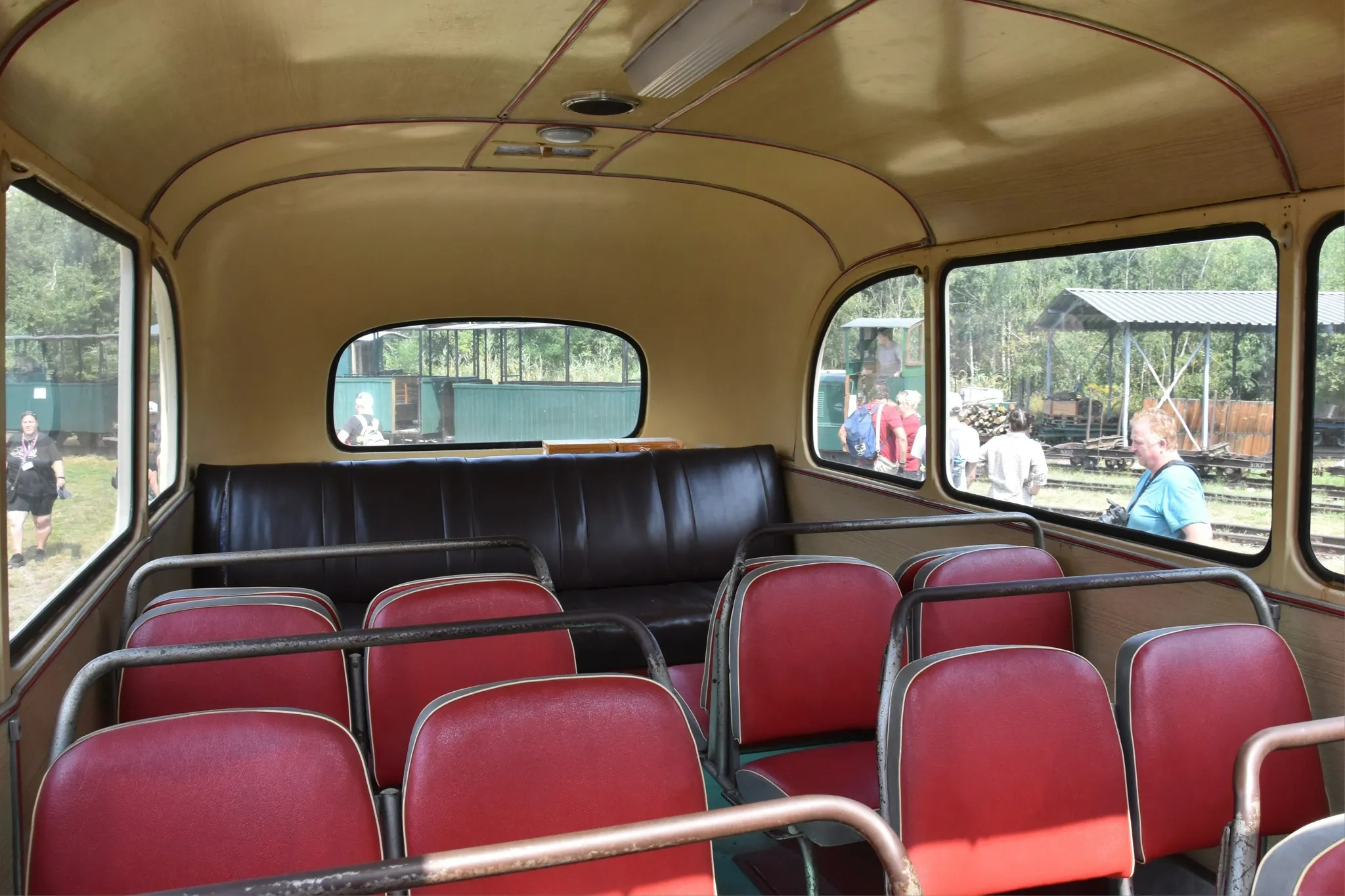
Prague shines at Christmas markets, with lights tucked into the folds of Gothic and baroque façades. Spring brings music festivals, summer outdoor theatre, and autumn’s softer gold along the river. Each season rephrases the city’s face without changing its meaning. In late spring, chestnut and lime trees bloom along avenues; in summer, beer gardens open their arms; in winter, cafés become lamp-lit harbors of warmth.
Watch for temporary exhibitions at museums and one-off performances at theatres — they’re often within a short walk of major stops. Plan your loop around a matinee or a market, and let the city’s calendar give your day a theme.
Tickets, passes & combos
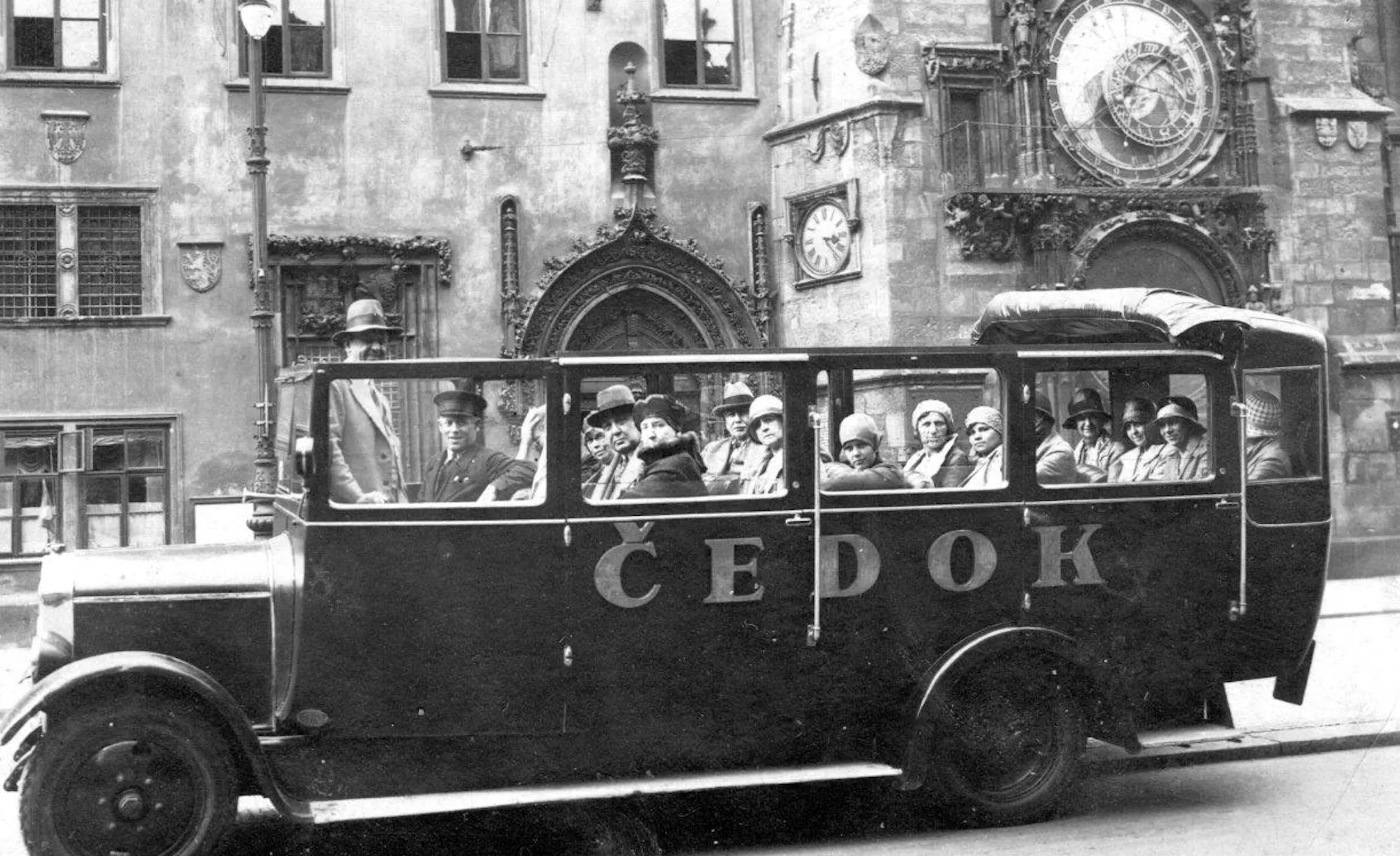
Book your pass online to secure your preferred start day. Decide the duration (24/48 hours) and select language options that suit you. If you’re pairing with a river cruise, check departure windows to avoid backtracking or tight connections between stops and quays.
Combos can include a river cruise and occasionally walking tours — ideal if you want to mix guided moments with self-paced exploring. Keep an eye on refund and reschedule terms; flexibility helps when weather or energy invite a gentler pace.
Preservation & gentle tourism
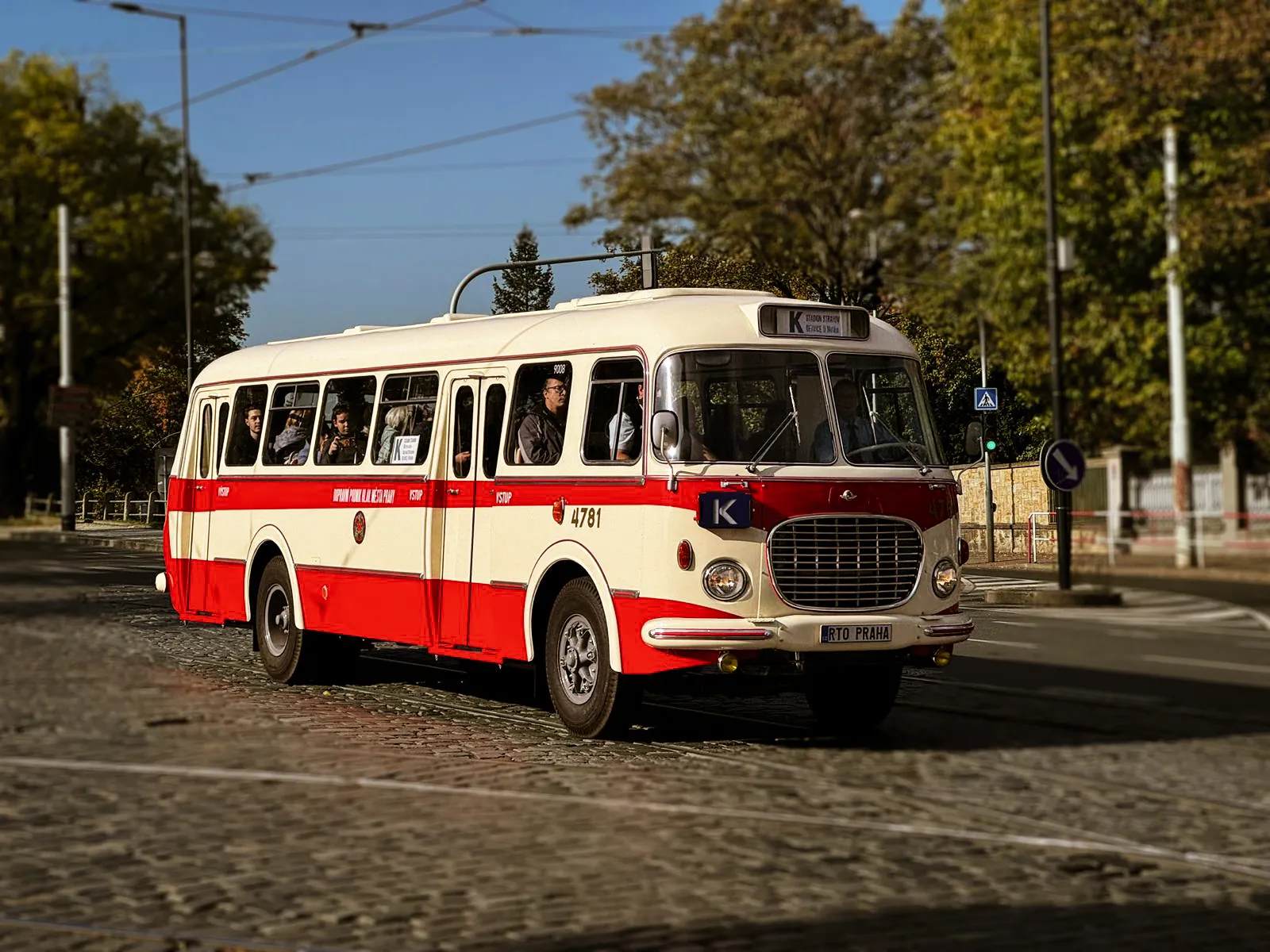
Choose experiences that lighten pressure on historic streets: walk gently, keep noise low, and support small businesses that care for the city’s fabric. Favor refill stations over single-use plastics, step aside for cyclists, and share benches — the subtle courtesies that make a city feel held together by trust.
A mindful day improves everyone’s experience — yours, locals’, and the next traveler who will read the city with fresh eyes. The reward is tangible: streets sound calmer, staff have time to smile, and the stories you gather feel rooted instead of rushed.
Beyond the center: Vyšehrad & hill views
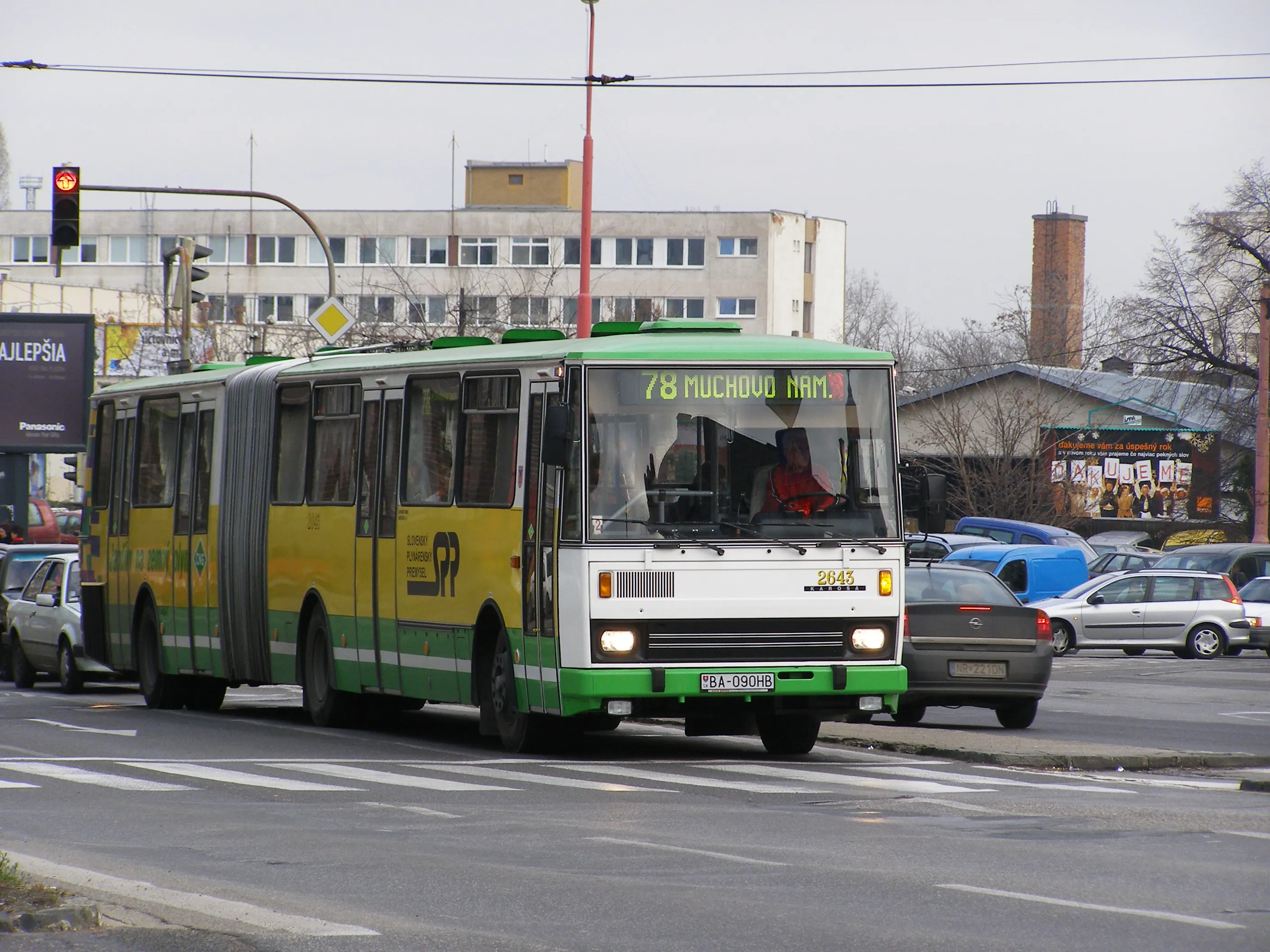
Vyšehrad’s fort above the river offers gardens, churches, and a calmer register of history. It’s less crowded than the Castle and ideal for sunset walks. Nearby, the cemetery holds the names of artists and thinkers whose work still animates Prague; walking its paths is a lesson in gratitude and continuity.
Hill views from Petřín or Letná let you read Prague as a story of roofs and bridges — a gentle panorama that puts the day’s pieces into perspective. Climb the Petřín tower for an airy vantage, or simply lean on a railing at Letná and let the city’s geometry arrange itself into calm.
Why Prague matters
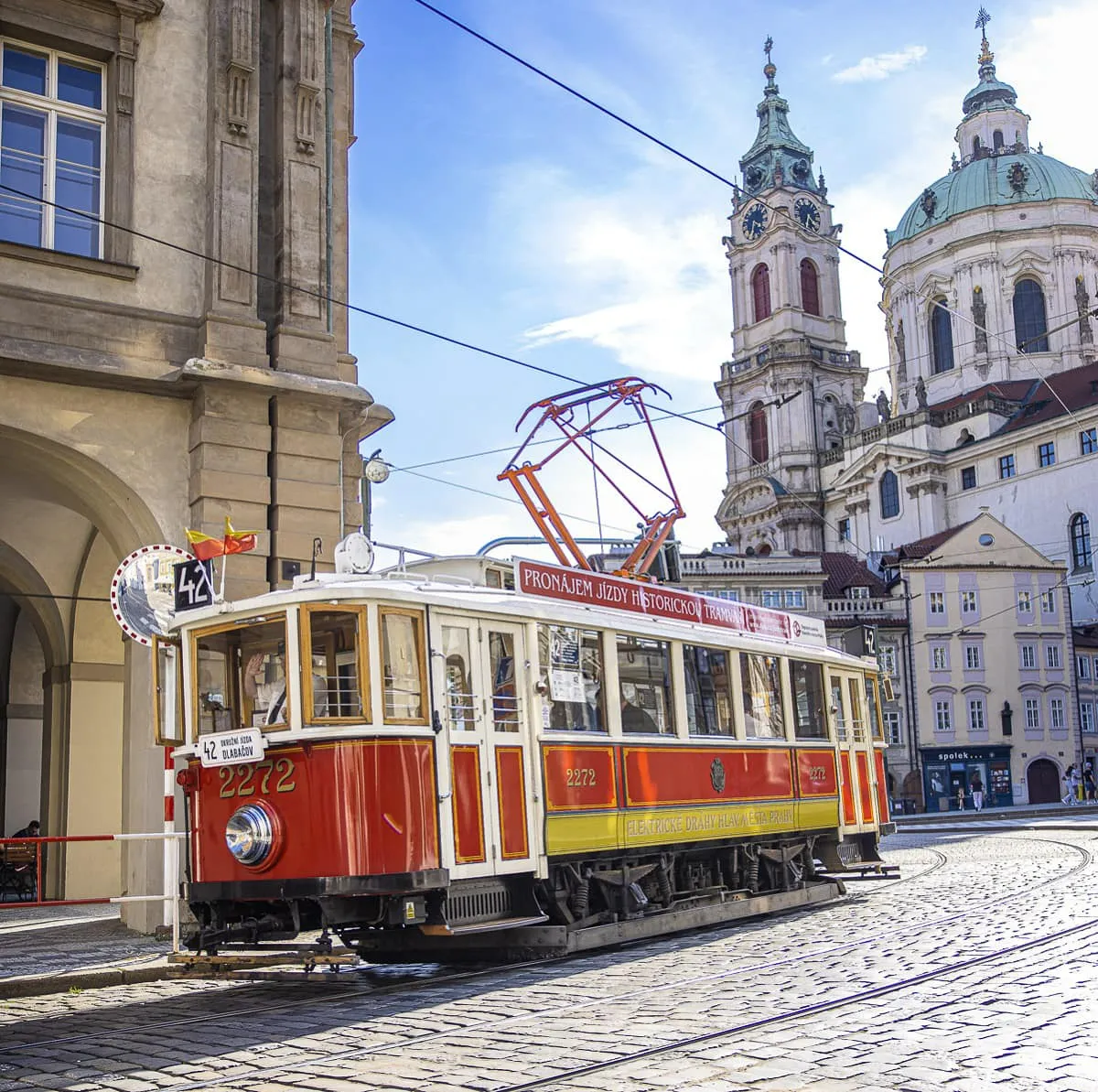
Prague holds a balance rare in cities: major monuments wired to everyday life, ideas nurtured by cafés and bookshops, and a river that keeps time kindly. Riding a bus loop isn’t just transit — it’s a way of listening, of letting the city introduce itself in chapters. The chapters are generous: a clock that performs, a bridge that invites attention, a castle that teaches perspective, and neighborhoods that offer hospitality without ceremony.
Support local makers, step lightly on old stones, and carry the city’s stories forward. In Prague, the past is never heavy; it’s companionable, offering context so the present can feel more generous. Leave with a few names, a melody, and a small object made with care — a pocket-sized reminder that cities can be both grand and gentle at once.
Tartalomjegyzék
Origins of Prague by the Vltava
Prague began as a riverside crossing and a hilltop stronghold — a place of wood and stone, market cries and church bells. The Vltava carried timber and grain, gossip and news, while traders set up stalls in squares that would later gain grand façades. In time, palisades grew into fortifications, a settlement turned capital, and the river became a ribbon stitching together neighborhoods with different tongues and trades. Monasteries cataloged knowledge, guilds set standards, and caravan routes braided Prague into wider European circuits where ideas, fabrics, and spices traveled alongside tales of kings and saints.
As rulers consolidated their power, Prague drew craftsmen, scholars, and merchants from across Europe. The city’s early identity blended fortitude and flair: quiet courts tucked behind heavy doors; watchful towers above lanes that curved like thought itself. Even today, beneath bus routes and tram lines, you feel that original purpose — a city designed to gather, protect, and illuminate. Walk a block and the centuries stack gently: a scriptorium’s patience in a library window, a stonemason’s touch along a cornice, and the daily kindness of shopkeepers who carry the civic memory forward.
Royal Prague and the Castle
Prague Castle is less a single building than a hilltop world — courtyards, palaces, arcades, and halls. Rulers used the complex as a stage for ceremony and a workspace for governance. St. Vitus Cathedral, with its patient scaffolding of centuries, gathers the city’s faith and ambition into stained light. Here, decisions echoed down to the markets where everyday lives adjusted, like boats slipping their moorings. Golden Lane whispers of alchemists and artisans, treasury rooms shelter crown jewels and state archives, and gardens tuck quiet benches into views that pull the eye toward bridges and bell towers.
Kings and queens come and go in the chronicle of walls, yet the Castle remains a compass point, reminding the city to lift its eyes. From Hradčany terraces the Vltava shimmers and bridge arches stack rhythmically, a sight that makes you unconsciously breathe deeper. A hop-off here is a pause within the broader motion — a moment to feel royalty’s scale, then return to streets that hum with present-tense stories. Follow the cobbles downhill into Malá Strana and you’ll sense how ceremony dissolves into everyday life — courtyards of musicians, wine cellars, and doorways that open onto small domestic theatres of conversation and cooking.
Streets, clocks, and city trades
The Astronomical Clock, patient and theatrical, has presided over centuries of everyday commerce. Bakers hauled bread before dawn, printers inked ideas in courtyards, silversmiths hammered filigree behind thick windows. The clock taught people to see time as performance — precise, human, and a little mystical — while guilds shaped standards and pride for the work of hands. Its mechanism is a civic poem: gears and moons, saints and calendar pages, reminding passersby that time is both measure and story, a choreography that sets the city’s daily theatre in motion.
Walks through Old Town become lessons in trades: look up at a façade and imagine what sounds it once contained. Pressed paper, tuned strings, whispered accounts across a ledger. In this city, the vernacular of craft reads legibly on walls and doorways, an undercurrent that makes the hop-on hop-off narration feel less like touristic data and more like an introduction to a living archive. Pause by a sign with gilded letters or a baker’s symbol, and you’ll feel the continuity between medieval workshops and modern storefronts — the same care, different tools, shared pride.
Music, theatre, and cafés
The National Theatre glows at dusk, its gilded crown hinting at stories inside — ballet, opera, plays that tilt memory toward feeling. Grand halls make room for citizens to be audience and participant, to share in the higher registers of voice and movement. Between acts, cafés gather the city’s lower murmur: spoons stir coffee, notebooks open, and conversations drift like the river. Names you may know — Smetana, Dvořák — feel present not as monuments but as companions, composers whose music still threads through rehearsal rooms and quiet parlors.
In Prague, art weaves quietly through public life. Even the bus commentary will nod to composers and poets, to little theatres that nurtured big ideas. A good day mixes seats in a gallery with seats on a bench by the water, all under a rhythm that feels unforced and local. Step into a café like Slavia and you’ll sense how culture and conversation share a table — a sketchbook beside a pastry, a program folded into a pocket, stories crossing generations with ease.
Bridges and riverside life
Bridges in Prague do more than connect shores — they frame the city. Charles Bridge, studded with statues and worn smooth by footsteps, invites people to slow down and read the skyline. Beneath, the Vltava carries rowers and reflections, ferrying you from one state of mind to another. Detour to Kampa Island, watch the Čertovka canal slip by quietly, and let the rhythms of water and stone nudge your pace toward a gentler register.
Riverside life ebbs and flows: markets unpack in the morning, saxophones lean into twilight, and swans own a kind of gentle authority. A hop-off near the water may end up being your longest pause — the kind that resets how you see the rest of the day. The river teaches patience: bridges are constant, but every reflection is new, and each boat draws a line that fades into quiet.
Crafts, markets, and makers
Markets bloom under awnings and arches — spices, woodwork, prints, small ceramics that remember the warmth of a kiln. Makers greet with the kind of attention that suggests their work is a co-authorship with you, the buyer. In a city that values craft, everyday transactions stretch into micro-conversations that make both parties feel seen. Marionettes dangle with personality, Bohemian glass catches light like captured river water, and garnet jewelry glows with the dark red of hearths and histories.
Hop off and let your curiosity lead into a side street. You’ll find ateliers where instruments are repaired, cafés where the pastry chef is an artist, and bookstores that feel like little cultural capitals. It’s these small encounters that give the bus loops their richest context. Buy something made with care and you carry a piece of the city’s patience and pride — a souvenir that remembers the hands that shaped it.
Routes, loops & river cruises
Routes circle through Castle District, Malá Strana, Old Town, New Town, and riverside quays. Frequency typically tightens midday and widens in shoulder seasons. Maps on board and at stops keep things simple — choose the loop, tap your pass, and let the city arrange itself naturally in front of you. Upper-deck seats offer broad angles on façades and courtyards; lower-deck windows turn the city into a moving gallery of details — carvings, signs, and small balconies with ivy and laundry.
River cruises add a softer lens to Prague’s geometry. Bridges glide overhead, and the Castle unspools across the horizon like a painted frieze. It’s a tranquil counterpoint to street life — ideal for catching your breath after a lively square. The commentary tends to relax here too, favoring silence when a view does the talking, punctuating the skyline with names and dates only when they deepen your sense of place.
Safety & accessibility
Most hop-on hop-off buses are equipped for wheelchair users, with ramps and designated spaces. Historic streets can include cobbles, mild slopes, and occasional steps; plan footwear accordingly and allow a little extra time between sights. Staff at main stops offer assistance, and audio guides include volume controls and standard headphone jacks to make listening comfortable.
Service adjustments may occur during large public events, construction near stops, or winter weather. Check updates on the day you ride. If conditions change, consider swapping a hill walk for a river cruise — Prague’s beauty has contingencies that keep the day enjoyable.
Festivals and seasonal charm
Prague shines at Christmas markets, with lights tucked into the folds of Gothic and baroque façades. Spring brings music festivals, summer outdoor theatre, and autumn’s softer gold along the river. Each season rephrases the city’s face without changing its meaning. In late spring, chestnut and lime trees bloom along avenues; in summer, beer gardens open their arms; in winter, cafés become lamp-lit harbors of warmth.
Watch for temporary exhibitions at museums and one-off performances at theatres — they’re often within a short walk of major stops. Plan your loop around a matinee or a market, and let the city’s calendar give your day a theme.
Tickets, passes & combos
Book your pass online to secure your preferred start day. Decide the duration (24/48 hours) and select language options that suit you. If you’re pairing with a river cruise, check departure windows to avoid backtracking or tight connections between stops and quays.
Combos can include a river cruise and occasionally walking tours — ideal if you want to mix guided moments with self-paced exploring. Keep an eye on refund and reschedule terms; flexibility helps when weather or energy invite a gentler pace.
Preservation & gentle tourism
Choose experiences that lighten pressure on historic streets: walk gently, keep noise low, and support small businesses that care for the city’s fabric. Favor refill stations over single-use plastics, step aside for cyclists, and share benches — the subtle courtesies that make a city feel held together by trust.
A mindful day improves everyone’s experience — yours, locals’, and the next traveler who will read the city with fresh eyes. The reward is tangible: streets sound calmer, staff have time to smile, and the stories you gather feel rooted instead of rushed.
Beyond the center: Vyšehrad & hill views
Vyšehrad’s fort above the river offers gardens, churches, and a calmer register of history. It’s less crowded than the Castle and ideal for sunset walks. Nearby, the cemetery holds the names of artists and thinkers whose work still animates Prague; walking its paths is a lesson in gratitude and continuity.
Hill views from Petřín or Letná let you read Prague as a story of roofs and bridges — a gentle panorama that puts the day’s pieces into perspective. Climb the Petřín tower for an airy vantage, or simply lean on a railing at Letná and let the city’s geometry arrange itself into calm.
Why Prague matters
Prague holds a balance rare in cities: major monuments wired to everyday life, ideas nurtured by cafés and bookshops, and a river that keeps time kindly. Riding a bus loop isn’t just transit — it’s a way of listening, of letting the city introduce itself in chapters. The chapters are generous: a clock that performs, a bridge that invites attention, a castle that teaches perspective, and neighborhoods that offer hospitality without ceremony.
Support local makers, step lightly on old stones, and carry the city’s stories forward. In Prague, the past is never heavy; it’s companionable, offering context so the present can feel more generous. Leave with a few names, a melody, and a small object made with care — a pocket-sized reminder that cities can be both grand and gentle at once.